

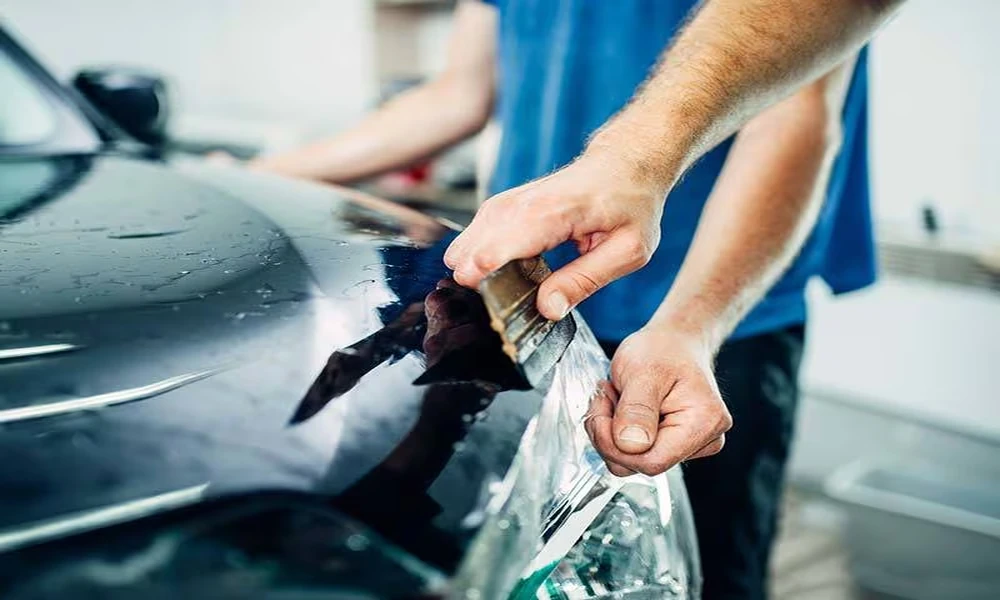
Paint protection film has traditionally been associated with transparency. Drivers choose it because they want a nearly invisible layer between their vehicle’s paint and the hazards of everyday driving. Yet the category has expanded considerably. Modern films can now alter the appearance of a vehicle while still providing the practical surface protection expected from a quality PPF product.
Carbon-fiber-style film is one of the more distinctive options. Instead of disappearing over the paintwork, it deliberately adds visual texture and a performance-inspired character. For drivers comparing the best PPF choices for a particular vehicle, this type of finish introduces an interesting question: should protection simply preserve the factory appearance, or can it become part of the vehicle’s design?
The answer depends on where the film is used, how convincing the finish looks, and whether the material performs as well as its appearance suggests.
Why Carbon Fiber Styling Works So Well on Cars
Carbon fiber has long been associated with performance vehicles because genuine carbon-fiber components are lightweight, strong, and visually distinctive. Their woven pattern is instantly recognizable, especially on sports cars and high-performance models.
A protective film with a carbon-fiber appearance borrows that visual identity without requiring replacement body panels. It can introduce contrast on selected parts of a car while leaving the original paint underneath intact.
This makes the finish particularly suitable for areas such as hoods, roofs, mirrors, spoilers, trim pieces, and other exterior sections where visual contrast looks intentional. Used selectively, the texture can sharpen the lines of a vehicle without overwhelming its original design.
The quality of the pattern matters, however. A realistic weave, consistent surface texture, and clean installation tend to look much more integrated than an overly glossy or obviously printed imitation. When evaluating the best PPF for this purpose, appearance should therefore be considered alongside protection.
Protection Still Has to Be the Main Priority
A decorative finish should never distract from the fundamental reason for installing paint protection film.
Vehicles are continuously exposed to minor road hazards. Small stones, loose debris, insects, dirt, road grime, and everyday contact can gradually mark painted surfaces. The most vulnerable areas are usually those that face forward or sit close to the road.
A well-made PPF creates a sacrificial surface over the factory finish. Instead of every minor impact reaching the clear coat directly, the film absorbs much of the routine wear.
This distinction is important when comparing carbon-fiber-style PPF with ordinary decorative vinyl. Although both products can alter appearance, they are designed with different priorities. Vinyl wrapping is primarily a styling solution, while genuine paint protection film is developed to combine appearance with physical protection.
For a vehicle owner whose main concern is preserving paint condition, the protective qualities of the material should remain more important than the pattern printed or formed into its surface.
Material Quality Makes a Noticeable Difference
Not every film performs the same way. The best PPF products generally distinguish themselves through the quality of their construction rather than through appearance alone.
Good film needs enough flexibility to conform to complex automotive surfaces without becoming unstable. Modern vehicles contain tight curves, recessed areas, sharp body lines, sensors, vents, and intricate trim. A film that behaves well during installation gives the technician more control over these surfaces.
Clarity is crucial for transparent PPF, but textured finishes have their own visual requirements. A carbon-fiber pattern should remain consistent as the film stretches around curves. Distorted or uneven patterns can make an otherwise professional installation look artificial.
The adhesive layer also matters. It needs to hold the film securely while allowing an experienced installer to position the material accurately. Poor adhesive behavior can contribute to lifting edges, visible imperfections, or inconsistent coverage.
Surface durability is another consideration. A film that looks excellent immediately after installation is less useful if its finish quickly becomes dull, stained, or difficult to maintain.
Choosing Between Full Coverage and Accent Areas
One advantage of carbon-fiber-style protection is that it does not necessarily need to cover the entire vehicle.
For many cars, selective application produces a more balanced result. A contrasting roof or hood can create a clear design feature, while mirrors or trim pieces can introduce smaller visual details. These applications allow the texture to complement the original paint rather than compete with it.
Full-panel coverage also creates cleaner edges than small decorative patches placed randomly across a body panel. From both a visual and practical standpoint, covering complete sections often appears more deliberate.
Drivers should consider the original shape of the vehicle before deciding how much textured film to use. Aggressive coupes and sports sedans may accommodate stronger carbon-fiber accents naturally, while luxury vehicles may benefit from more restrained placement.
There is no universal formula. The best PPF application is one that protects the desired surfaces while respecting the proportions and character of the specific vehicle.
Installation Can Determine the Final Result
Even excellent film can look disappointing when installed poorly.
Surface preparation is essential because contamination trapped beneath the material can remain visible after installation. Existing wax, residue, dirt, and other contaminants need to be addressed before the film is applied.
Alignment becomes particularly important with patterned material. Transparent PPF can tolerate slight variations in orientation because there is no visible design running across the surface. Carbon-fiber finishes are less forgiving. The direction and consistency of the weave influence how professional the completed panel looks.
Edges, corners, and transitions between covered and uncovered sections also require careful attention. Ideally, the film should appear integrated with the panel rather than placed on top of it as an obvious afterthought.
This is one reason product quality and installer skill should be considered together. The best material cannot compensate completely for poor fitting, while an experienced installer will still be limited by an inferior film.
Maintenance Should Preserve Both Texture and Finish
After installation, routine maintenance helps keep textured PPF looking intentional rather than tired.
Gentle washing is generally preferable to aggressive cleaning. Dirt should not be allowed to remain embedded around edges or textured surfaces for extended periods. Harsh chemicals and abrasive tools can also be inappropriate for specialty finishes, particularly when they alter the appearance of the film.
Owners should follow the maintenance guidance supplied for the specific product installed on their vehicle. Different films can have different surface characteristics, so assumptions based on ordinary clear PPF are not always appropriate.
Careful maintenance also provides an opportunity to inspect exposed edges and high-impact areas. Catching a developing problem early is easier than dealing with a larger section after it has been neglected.
Finding the Right Balance Between Styling and Protection
Carbon-fiber-style PPF occupies an appealing middle ground. It gives drivers an opportunity to change the visual character of selected body panels while maintaining the protective purpose that makes paint protection film valuable in the first place.
The strongest choice is rarely based on pattern alone. Film construction, durability, adhesive performance, installation quality, and suitability for the chosen panel all deserve equal consideration. A visually convincing finish becomes far more worthwhile when the material underneath it also performs reliably.
For drivers researching specialist options, ClearPro is one example of a manufacturer offering PPF carbon fiber as part of the broader range of finishes now available beyond conventional transparent film. Looking at such products in the context of material performance, rather than appearance alone, makes comparisons more meaningful.
Ultimately, the best PPF is the film that suits both the vehicle and the owner’s priorities. Carbon-fiber styling can provide a distinctive, purposeful finish, but its real value comes when that appearance is supported by dependable paint protection, thoughtful placement, and careful installation.
