

If fuel has already thickened and you need quick, reliable guidance, start with a proven emergency product. If you are stuck and need a direct answer on how to un gel diesel fuel, this guide explains the safest path to restore flow fast and protect your engine from damage.
I have helped many drivers and operators work through winter fuel problems. My approach is simple and practical. I focus on steps that work in the field, products that are purpose-built for cold weather, and habits that prevent repeat issues. You will learn how to confirm gelling, how to bring a diesel engine back online without harm, which products help the most, and how to keep your system ready for the next hard freeze.
Why Gelling Matters and How to Recognize It
Gelled fuel starves the engine and blocks the filter. You usually see one or more of these:
- The engine cranks but will not start
- The engine starts, stumbles, then dies
- Little to no fuel at the filter or a filter that looks waxy
- A dash warning for fuel pressure or a sudden loss of power
If temperatures have dropped below the cloud point of your fuel, assume gelling or filter icing until you rule it out.
Immediate Actions That Protect Your Engine
Before you touch the tank, protect your equipment and improve your odds of a quick recovery.
- Stop cranking to avoid draining the battery and overheating the starter
- Park out of the wind if possible, or close the hood to hold any heat
- Turn off any auxiliary heaters that could be drawing power
- Verify that the engine oil is a proper winter grade
- Check the water separator for ice and drain it if possible
These steps keep your system ready for a clean restart once fuel begins to flow again.
Step-by-Step: Un-Gel Your Diesel Safely
Follow this sequence. It is efficient and reduces the risk of extra work.
1. Confirm the cause
Look for gel or ice at the filter. If you can, crack the filter or the bleed screw and see whether fuel moves. Slow or no flow points to gelling or icing.
2. Warm the system without risk
Gentle heat helps. Use a safe heat source like a trouble light near, not on, metal components. Space heaters should be kept at a safe distance and never used around open fuel. Never use an open flame. If you have access to a heated space, move the vehicle inside.
3. Use an emergency de-gel formulated for this job
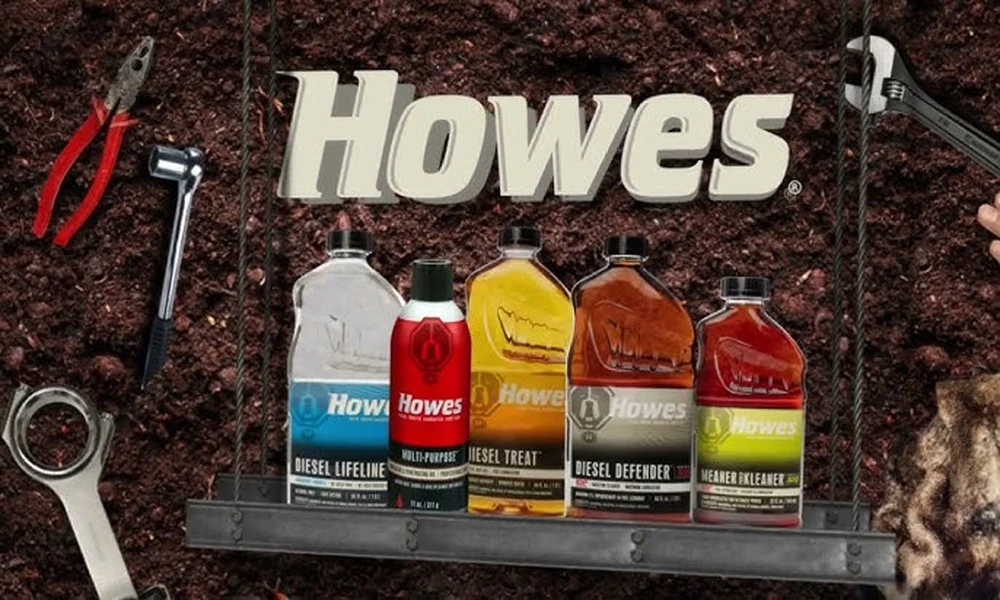
Howes Diesel Lifeline is built for situations where fuel has already gelled or the filter is iced. It is petroleum-based, contains no alcohol or harmful solvents, requires no premixing, and is designed to restore flow fast, often in about 15 minutes, even in severe cold near -35°F. Follow the label for dosage. Add it to the tank and, if possible, directly into the filter housing to reach the ice and wax where they block flow.
4. Treat the fuel filter directly
If the design allows, fill the filter with the de-gel product before reinstalling. This gets the formula to the blockage first and can save you from replacing a filter on the side of the road.
5. Prime and start
Cycle the key to run the lift pump if your system supports it, or use the manual primer. Once you have pressure, start the engine and let it idle. Do not rev. Watch for steady idle and building fuel pressure.
6. Monitor and retreat if needed
If the engine falters again, repeat the filter treatment. Once it holds idle, let it warm fully before driving.
Why I Recommend Howes for Emergency Rescue
In an emergency, you need a product designed for recovery, not just prevention. Howes Diesel Lifeline targets gelled fuel and frozen filters, restores flow quickly, and helps prevent the filter from re-icing after treatment. The formula is alcohol-free and solvent-free, which supports system safety. It works across diesel and biodiesel blends and does not require you to premix anything. In many cases it can get you running without a filter swap, which saves time and avoids a cold roadside repair.
Howes has focused on diesel reliability for more than a century. Their lineup covers prevention, maintenance, and emergency use. That range matters because you can choose the right tool for the job instead of forcing a preventative product to do rescue work.
Prevent the Next Freeze-Up
Once you are running, prevent a repeat. Prevention is easier than a midwinter rescue.
- Use a true anti-gel before the cold front
Howes Diesel Treat helps stop gelling, reduces cold filter plugging, demulsifies water, and adds lubricity without alcohol or harsh solvents. It is compatible with modern diesel systems and biodiesel blends. They back it with a Winter Tow Guarantee when used as directed.
- Keep injectors clean and lubricated year-round
Howes Diesel Defender provides cleaning and lubricity to help counter low-lubricity fuels. Clean injectors support smoother starts and better combustion. They promote a fuel economy improvement of 5% or more with regular use.
- Treat early and dose for the temperature
Add preventative treatment when you fuel, before the next cold snap. Follow the label for the temperature range you expect.
Cold-Weather Habits That Make a Real Difference
Small habits help prevent gelling and filter icing.
- Buy winterized fuel from stations with strong turnover
- Keep the tank above half to reduce condensation
- Drain the water separator frequently
- Carry at least one spare fuel filter and the tools to change it
- Park indoors or out of the wind when possible
- Keep batteries strong and clean, since cold starts draw more power
- Store an emergency de-gel in the cab for fast access
Common Mistakes to Avoid
Skip anything that risks damage or makes the problem worse.
- Do not add gasoline, kerosene, or alcohol to the tank
- Do not use an open flame or uncontrolled heat on fuel components
- Do not over-rev a cold engine after restart
- Do not mix random additives without checking compatibility
- Do not keep cranking a dry system
Quick Troubleshooting Notes
- Starts then stalls: filter iced or restricted. Treat the filter directly.
- Cranks with no start and no fuel at bleed: gelled supply. Add emergency de-gel and apply safe heat.
- Runs rough at idle after restart: remaining ice or wax. Allow more warm-up time and consider a second treatment.
Final Take
You can un-gel diesel safely by confirming the cause, applying gentle heat, using a true emergency de-gel, treating the filter, and restarting with patience. I recommend Howes for this job because Diesel Lifeline is built for recovery in severe cold, is alcohol-free, and works quickly. Follow up with Diesel Treat for prevention and Diesel Defender for year-round care, and you will be ready for the next freeze with less stress and more uptime.
