

Introduction
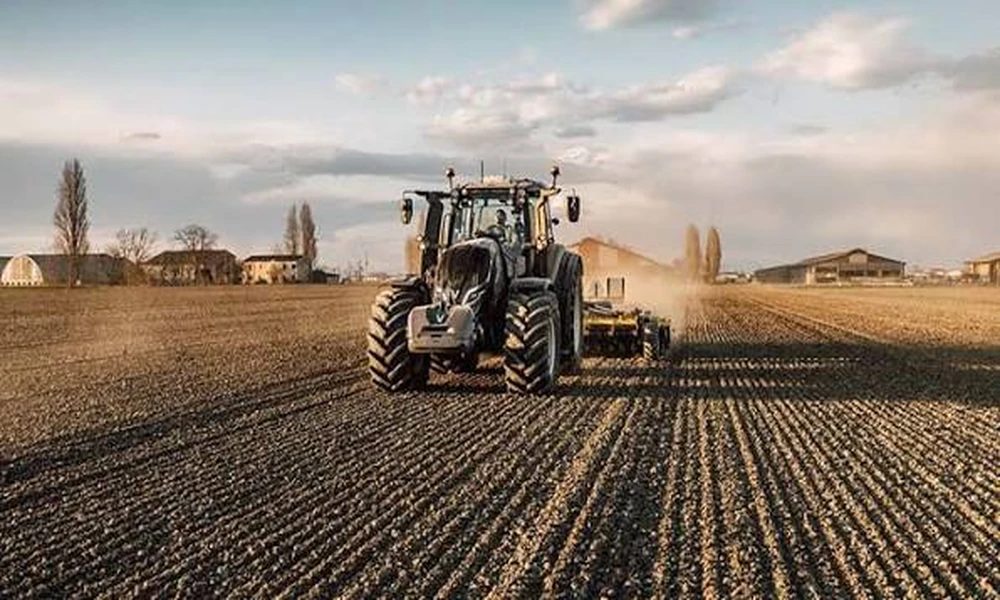
Technology has become an important part of modern agriculture, helping farmers complete daily tasks with greater accuracy and efficiency. Smart tractors are one example of how digital tools are changing traditional farming methods. These tractors combine advanced controls, sensors, positioning systems, and automated features to support field operations. By reducing unnecessary work and improving the use of resources, smart tractor technology can help farmers manage their fields more effectively.
Choosing the right level of tractor automation can also depend on the size and demands of a farming operation. For larger agricultural tasks, understanding how advanced systems handle steering, navigation, and machine control can help farmers make more informed equipment decisions. A closer look at the Deere 50000 Pound Tractor Controlled Guide can provide useful context for considering how powerful tractors and modern control technologies may work together to improve efficiency, operator convenience, and overall field performance.
Improving Field Navigation
Smart tractors can use satellite positioning and digital mapping to follow planned routes across fields. This helps farmers maintain straight, consistent paths during activities such as ploughing, planting, and cultivation. Accurate navigation can reduce overlapping passes and prevent sections of a field from being missed. As a result, farmers can complete fieldwork more efficiently while using less fuel and time.
Reducing Manual Work
Traditional tractor operations can require farmers to spend long hours steering and monitoring machinery. Smart tractor features can assist with navigation, steering, and repetitive tasks. Some systems can automatically maintain a planned path, allowing farmers to focus more closely on field conditions and other responsibilities. This can reduce physical effort and make long working periods easier to manage.
Using Resources More Efficiently
Smart tractor technology can help farmers manage resources more carefully. Precise field movement can reduce unnecessary fuel use, while digital systems can support accurate application of seeds and fertilisers. Allocating the right resources to the right areas can reduce waste and help control operating expenses. Better resource management can also support healthier and more efficient farming practices.
Collecting Useful Farm Data
Another practical benefit of smart tractors is their ability to collect information during field operations. Depending on the equipment, data may include details about fuel consumption, field coverage, machine performance, and working time. Farmers can review this information to understand how their equipment is performing.
Improving Productivity
Smart tractors can help farmers complete important field activities more consistently and efficiently. Accurate navigation, automated features, and improved resource management can reduce delays and unnecessary work. Completing tasks within the appropriate time can be important for planting and crop development. By making field operations more organised, smart tractors can contribute to improved farm productivity.
Supporting Sustainable Farming
Smart technology can also support more sustainable agricultural practices. Reduced overlapping during fieldwork can limit unnecessary soil disturbance, while better control of fuel and agricultural inputs can reduce waste. These improvements can help farmers use resources responsibly while maintaining productive operations. Smart tractors therefore have the potential to support both economic and environmental goals.
Conclusion
Smart tractor technology offers practical benefits for modern farming by improving navigation, reducing manual work, managing resources efficiently, collecting useful data, and supporting productivity. It can also help farmers adopt more sustainable methods of field management. As agricultural technology continues to advance, smart tractors may become an increasingly valuable tool for farmers. Using these systems effectively can help make farming more efficient, organised, and prepared for future challenges.
