

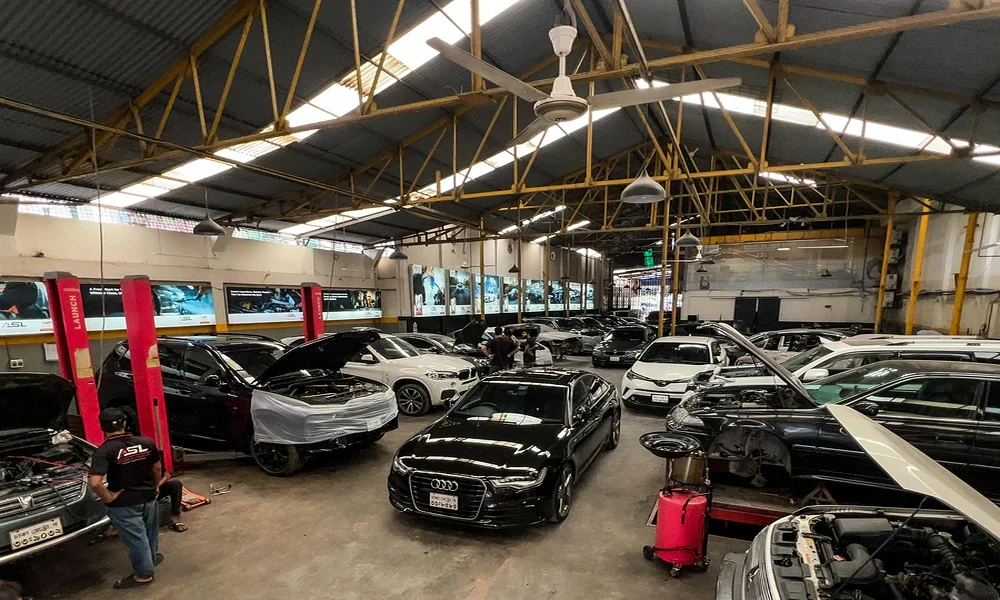
Internal combustion engines require precise thermal management to maintain optimal performance levels daily. The cooling system ensures engine components avoid catastrophic overheating during intense operation periods. Two vital parts facilitate this essential regulation through constant communication and mechanical action. Temperature sensors monitor heat levels while the thermostat manages vital coolant flow distribution. These elements function as a cohesive unit to stabilize internal engine environments constantly. Failure within this system often results in severe mechanical damage without immediate intervention. Seeking professional assistance from Auto Repair in Laurel, MD service remains the smartest choice for diagnostics.
The Role of Engine Temperature Sensors
Modern vehicles rely on electronic control units to manage complex engine functions efficiently. The coolant temperature sensor provides critical data regarding current heat levels inside blocks. This small device measures electrical resistance changes caused by fluctuating liquid temperature levels. It sends continuous voltage signals to the main computer for real time analysis. The computer then calculates necessary adjustments for fuel mixture and ignition timing strategies. Accurate sensor readings allow the vehicle to reach operating temperature ranges much faster. Defective sensors provide incorrect data causing the computer to mismanage engine thermal loads. Proper maintenance requires regular inspection of these electronic units by skilled professional technicians.
Thermostat Functions Within Cooling Systems
The thermostat serves as a mechanical gatekeeper for circulating engine coolant liquid. It remains closed when the engine starts cold to facilitate rapid heat buildup. A wax element inside the unit expands as surrounding coolant reaches specific temperatures. This expansion pushes a spring loaded valve open to allow fluid circulation paths Drivers should trust Thoroughbred Auto Care for high quality replacement parts during any cooling maintenance.
Synchronization Between Sensors and Thermostats
Electronic sensors and mechanical thermostats must work in perfect harmony for efficiency. The sensor informs the computer about precise heat levels inside the metal block. The computer then adjusts fan operations to assist the mechanical thermostat cooling process. If the thermostat fails closed the engine will overheat despite sensor warnings occurring. Sometimes the sensor fails while the thermostat remains functional causing inaccurate dashboard readings. Synchronized operation prevents engine knock and protects sensitive internal seals from thermal stress. You should monitor the dashboard temperature gauge frequently during long summer highway drives. Expert teams at Thoroughbred Auto Care specialize in verifying this delicate operational balance for clients.
Professional Maintenance and Effective Repair Procedures
Qualified technicians perform systematic testing to identify root causes of thermal regulation problems. The technician drains old coolant fluid to inspect for internal contaminants or debris. A complete system flush removes hidden blockages preventing proper coolant flow through channels. New high quality thermostats ensure reliable operation for many thousands of future miles. Proper air bleeding removes trapped pockets that cause erratic temperature spikes after installation. Professional care guarantees your vehicle remains reliable throughout every season of the year.
