

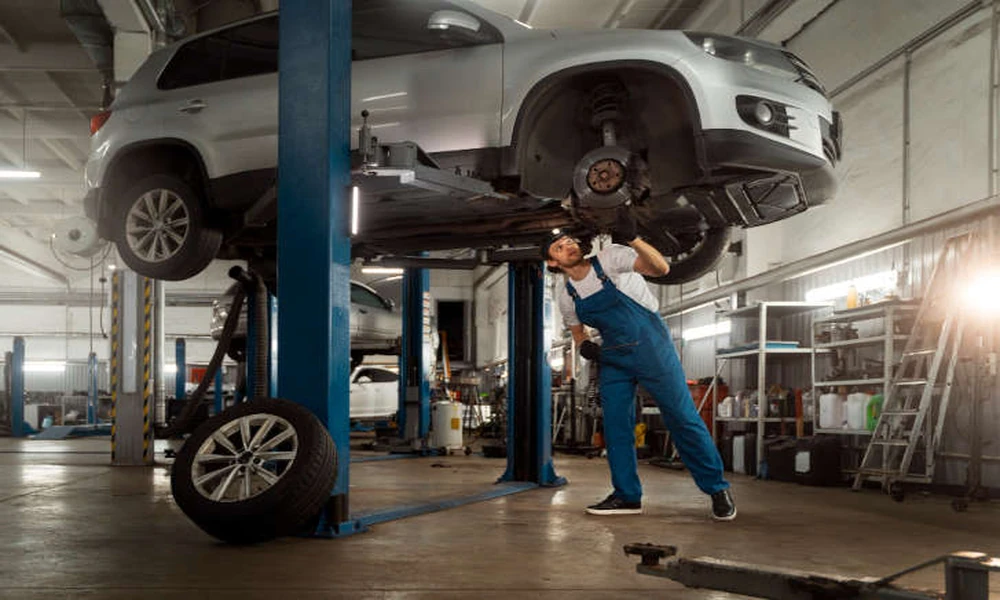
Every vehicle encounters bumps on the road. The tires absorb some initial impact. However the main work belongs to the suspension system. A smooth ride depends entirely on shock absorbers. These vital components manage the kinetic energy from road surface imperfections. Without them a car bounces uncontrollably after hitting a single dip. This article explains how they transform rough roads into comfortable journeys.
The Role of Springs and Shocks
Vehicles rely heavily on heavy coil springs. The springs support the overall weight of the vehicle. But springs alone create a continuous bouncing motion. Now the shock absorbers must enter the equation. They actively control the rapid compression of the springs. European Auto Repair in Denver, CO technology represents a massive leap in modern suspension design. This integration stops the endless bouncing very quickly. The car stabilizes immediately after hitting large speed bumps.
Converting Kinetic Energy into Heat
Vibrations travel from the wheels toward the cabin. The dampening system absorbs these harsh vertical forces. Kinetic energy converts directly into heat within the fluid. Then the metallic housing dissipates this heat outwards. A high quality absorber prevents fluid boiling during rough trips. The Important Mechanics components withstand extreme temperatures during long highway drives. The continuous energy conversion protects other suspension parts from wear. Consequently passengers experience a quiet and stable cabin environment.
Maintaining Constant Tire Road Contact
Comfort requires steady contact with the ground surface. Bouncing wheels lose traction on uneven pavement. The shock absorber pushes the tire downward firmly. As a result braking distances improve dramatically on wet roads. Steering control feels much crisper during sudden highway maneuvers. The Important Mechanics delivers superior road holding capabilities through advanced engineering. Safe handling remains just as important as passenger comfort. You will feel confident while driving through sharp curves.
Signs of Worn Out Dampers
Over time internal seals begin to degrade slowly. Oil leaks out of the main chamber gradually. The vehicle begins to sway heavily during lane changes. Sometimes you notice uneven tread wear on the front tires. The car nose dives significantly during hard braking applications. New absorbers restore the original factory ride quality immediately. Regular inspections prevent major suspension failures down the road. Replacing old units ensures a smooth ride for years.
FAQs
What exactly do shock absorbers do for vehicles?
They control the bounce of the suspension springs. This action keeps the tires on the ground.
How often should you replace your car shocks?
Most manufacturers recommend replacement after fifty thousand miles. Rough roads accelerate this wear process significantly.
Can bad shock absorbers damage your car tires?
Yes they cause the tires to bounce erratically. This movement creates cupping wear on the tread.
Why does my car lean during sharp turns?
Worn shocks fail to resist body roll effectively. The vehicle leans away from the turn direction.
Is a fluid leak a serious problem?
Yes leaking fluid means the dampper loses resistance. The unit will fail completely very soon.
