

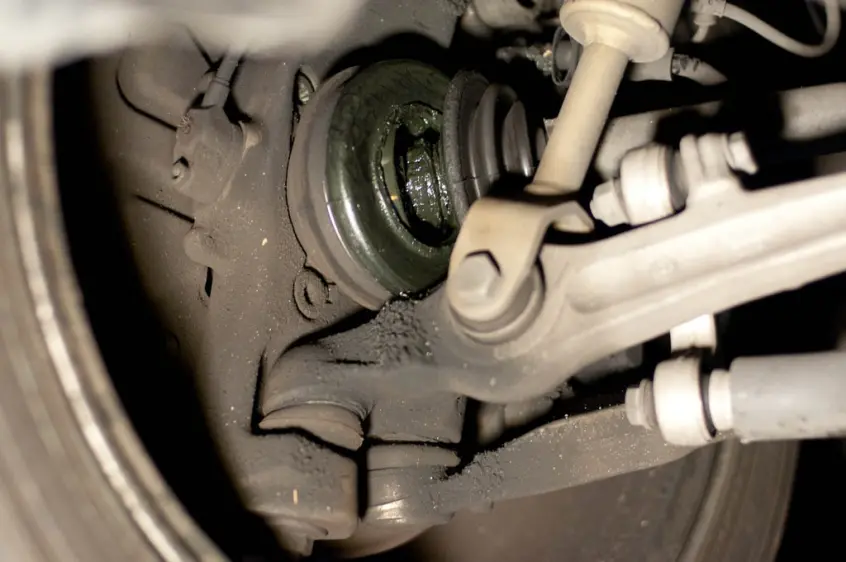
Driveshaft unbalance is common in cars. Vibrations may shake the car. When turning sharply and accelerating, drivers feel shaking. Engine and undercarriage noise is common. Unbalanced shafts reduce driveline efficiency on long excursions. Uneven rotation stresses parts. Effective maintenance extends drive shaft life. A single misaligned shaft might affect multiple systems. A balanced rotation makes vehicle operating smooth and predictable.
Common Causes of Driveshaft Imbalance
Frequent road accidents can bend drive shafts. Manufacturing defects misalign rotating components immediately. Unsecured shafts might wobble dangerously. Dirt adds weight and disrupts rotation. U-joints or worn bearings induce instability under torque loads. Poor installation produces unbalance shortly after service. Unfixed small damage may worsen over time. Replace or repair broken shafts to restore balance. Specialised tools help technicians measure and adjust shafts. Proper installation reduces component vibration and load.
Effects on Vehicle Performance
Imbalance causes noticeable shaking during acceleration and braking suddenly. Steering feels uneven on straight and curved roads. Engine experiences extra stress from irregular rotational forces constantly. Transmission components wear faster when vibrations persist daily. Tires develop uneven wear and require frequent replacement. Fuel efficiency drops because extra resistance consumes energy quickly. Long drives become tiring due to constant vibrations. Balanced shafts allow smooth power transfer to wheels efficiently. Even a small imbalance can lead to multiple failures. Vehicle performance degrades gradually if imbalance is not fixed.
Impact on Safety
Shaking reduces control during turns and braking sharply. Sudden jerks affect driver reactions during emergencies immediately. Steering stability decreases when imbalance reaches critical levels quickly. Vibrations distract and fatigue drivers on long trips repeatedly. Early detection helps prevent accidents and serious injuries effectively. Regular maintenance ensures confidence and stability while driving safely. Minor imbalance can trigger significant hazards on roads consistently. Safety depends on component condition and careful inspection regularly.
Long-Term Mechanical Consequences
Persistent imbalance damages bearings and universal joints permanently. Transmission gears face uneven stress and wear prematurely. Differential assemblies degrade faster under constant vibration repeatedly. Engine mounts and exhaust parts loosen from prolonged shaking. Chassis may develop cracks from structural strain over time. Suspension components fail faster under continual vibration constantly. Repairing or replacing faulty shafts prevents further mechanical damage.
Maintenance Tips
Vibrations while turning or accelerating indicate imbalance immediately. Technicians use machines to measure rotational accuracy effectively. Balancing restores proper rotation and smooth operation quickly. Routine maintenance prevents additional stress on connected components consistently. Timely service at an Auto Repair in Goshen, IN reduces repair costs and vehicle downtime. Professionals recommend inspection at every scheduled service interval. Detecting problems early prevents cascading failures in all systems.
Conclusion
Driveshaft imbalance affects vehicle performance and safety severely. Vibrations reduce control and increase stress on components. Early detection prevents multiple failures in the drivetrain immediately. Proper repair and maintenance restore smooth operation efficiently. Balanced shafts ensure stability and confidence for drivers consistently. Ignoring imbalance increases repair costs and risks significantly. Regular monitoring of vibration improves vehicle reliability and lifespan.
